
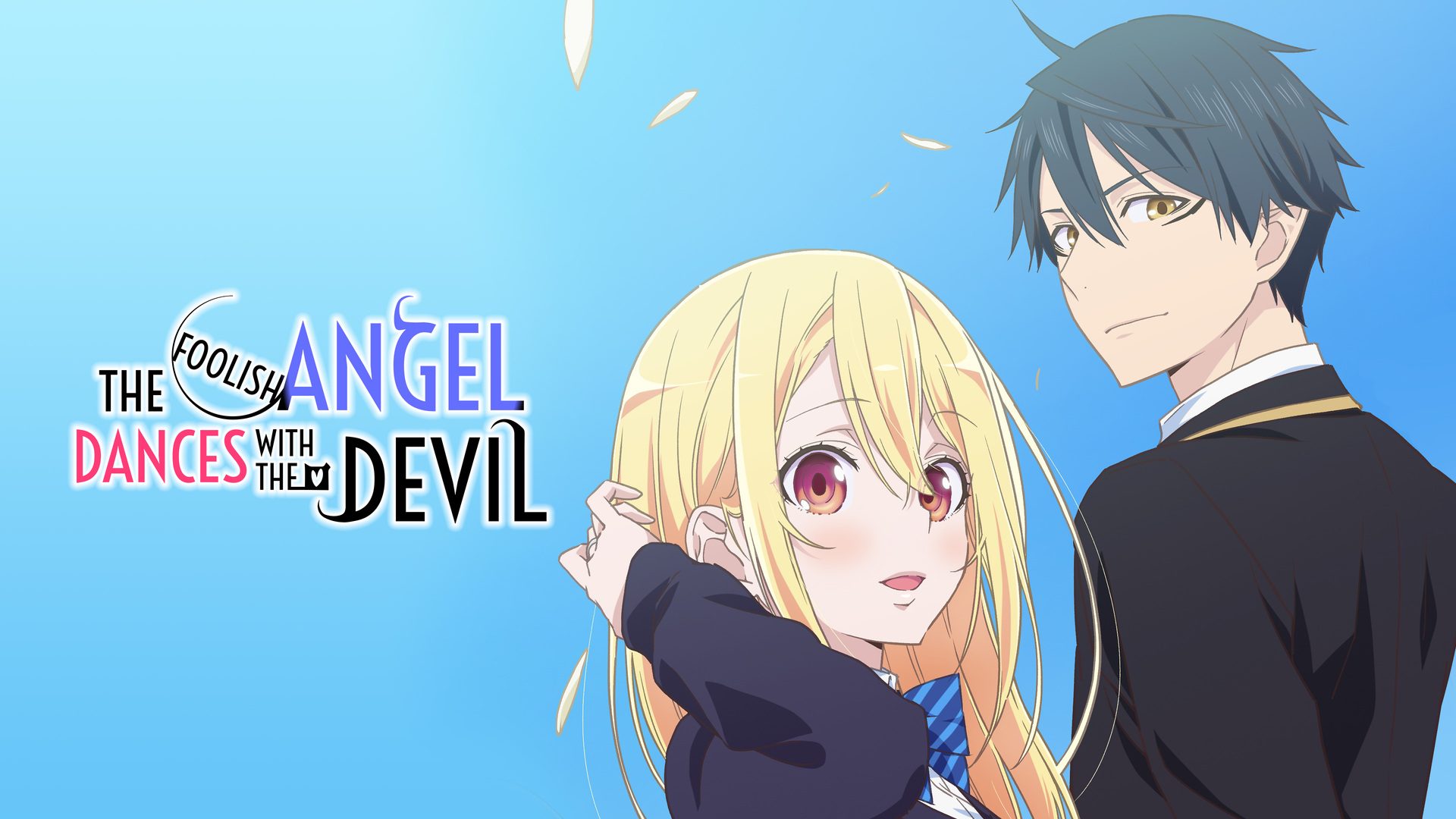
The Foolish Angel Dances With The Devil Store: Anime Secrets
Anime fans love uncovering hidden gems, and one series that has sparked endless conversation is The Foolish Angel Dances With The Devil Store. Its title alone hints at a wild mix of innocence and darkness, and the show delivers on that promise with clever storytelling, striking visuals, and characters that feel both relatable and otherworldly. If you’ve ever wondered why this series keeps popping up in forums and recommendation lists, you’re in the right place. Let’s dive into the secrets that make this anime a standout experience.
Understanding The Foolish Angel Dances With The Devil Store
The series follows a seemingly naïve angel who takes a job at a mysterious shop run by a devilish figure. The shop isn’t a typical marketplace—it sells emotions, memories, and even lost hopes. This premise creates a perfect playground for exploring moral dilemmas. Each episode reveals a new “item” and the impact it has on the customers, blending episodic storytelling with an overarching narrative about redemption.
What sets the show apart is its balance between dark humor and heartfelt moments. The protagonist’s clumsy attempts to help often backfire, leading to both comedic chaos and poignant reflections. This duality keeps viewers on edge, never sure whether the next scene will make them laugh or cry.
Musically, the series utilizes an eclectic soundtrack that mixes ethereal choir tones with gritty rock riffs. This contrast mirrors the internal conflict of the angel—caught between heavenly purity and the temptation of earthly pleasures. The sound design is a subtle yet powerful tool that deepens the viewer’s emotional investment.
Hidden Symbolism Behind the Dance
Every item sold in the Devil Store carries symbolic weight. A bottle of “forgotten sunrise” represents lost opportunities, while a mirror that shows alternate futures hints at the theme of choice versus destiny. These objects act as visual metaphors for the characters’ internal struggles.
The recurring dance sequences are not just spectacle; they encode messages about balance. The angel’s awkward steps contrast with the devil’s fluid movements, suggesting that true harmony requires both grace and grit. Fans have spotted patterns in the choreography that align with ancient alchemical symbols, adding a layer of mysticism to the narrative.
Color theory also plays a role. The shop interior is bathed in deep purples and blacks, evoking mystery, while the angel’s halo glows a soft gold, symbolizing lingering innocence. As the series progresses, the palette gradually shifts, reflecting the characters’ evolution.
Character Dynamics and Their Secrets
Beyond the central duo, supporting characters bring depth to the storyline. The shop’s regulars—each with a tragic backstory—serve as mirrors for the main protagonists. One recurring patron, a former hero who now sells “broken promises,” forces the angel to confront his own failures.
The devil character, often misunderstood, reveals a hidden past as a fallen guardian. This twist redefines the classic good-versus-evil trope, showing that antagonists can also seek redemption. Their banter is laced with subtle hints about the shop’s origin, encouraging viewers to piece together the lore.
Relationship dynamics are deliberately ambiguous. The chemistry between the angel and the devil teeters between mentorship, rivalry, and something deeper. This ambiguity fuels fan speculation and keeps the series fresh even after multiple re‑watches.
Community Theories and Where to Watch
Online forums are buzzing with theories about the ultimate purpose of the Devil Store. Some argue it’s a test set by higher beings, while others believe it’s a metaphor for the human psyche. The most popular theory suggests that the shop exists in a liminal space—a crossroads between life and afterlife—where souls barter their regrets.
If you want to join the conversation, the best platforms to stream the series are Crunchyroll and Funimation, both offering subtitles that retain the original wordplay. Subreddit communities dedicated to The Foolish Angel Dances With The Devil Store regularly post episode breakdowns, fan art, and even fan‑made translations of hidden messages.
Engaging with these communities enhances the viewing experience. Sharing observations about a seemingly minor prop—like a cracked porcelain cup—can unlock a whole new interpretation of an episode’s theme. The collective analysis makes each watch feel like a collaborative investigation.
Conclusion
The Foolish Angel Dances With The Devil Store is more than just another anime title; it’s a layered exploration of morality, identity, and the power of choice. Its clever blend of symbolism, character depth, and community-driven theories creates a living, breathing world that invites viewers to return again and again. Whether you’re a casual watcher or a hardcore fan, the series offers enough intrigue to keep you dancing between light and darkness long after the credits roll.